Jim’s story
I grew up in Niddrie. At 15, I joined the army and spent the next 25 years serving in a regiment in Northern Ireland.
During my service, I was blown up once and almost blown up for a second time. The injuries I carried with me eventually led to major spinal surgery years later.
It was tough, but I built a life in Northern Ireland. I got married, raised three children, and settled there.
Then, four years ago, life brought me back to Edinburgh in circumstances I never expected.
I had PTSD, depression, and after 50 years together, my wife had divorced me.
In the army, I was a Company Sergeant Major. I had over 100 men that I looked after. But now I was so low that I couldn’t look after myself. I was terrified. I was having flashbacks. Barely sleeping. Having breakdowns. Not socialising. Isolating myself.
I stopped doing the things that brought me joy. Photography had always been my passion, but my camera sat untouched.
My sons live in England. They could see what was happening. They could see my mental health getting worse. They could see me withdrawing from life out of fear. They could see how low my self-esteem had become.
“My confidence was at rock bottom.”
Looking back, I think what frightened me the most was how little hope I had.
For a long time, I couldn’t see a way forward. I was lost in the past, thinking only about what was behind me.
I’d forgotten what it felt like to enjoy life.
At my lowest, I was admitted to psychiatric hospital.

Days were consumed by my diagnosis, my divorce, and everything I felt I’d lost.
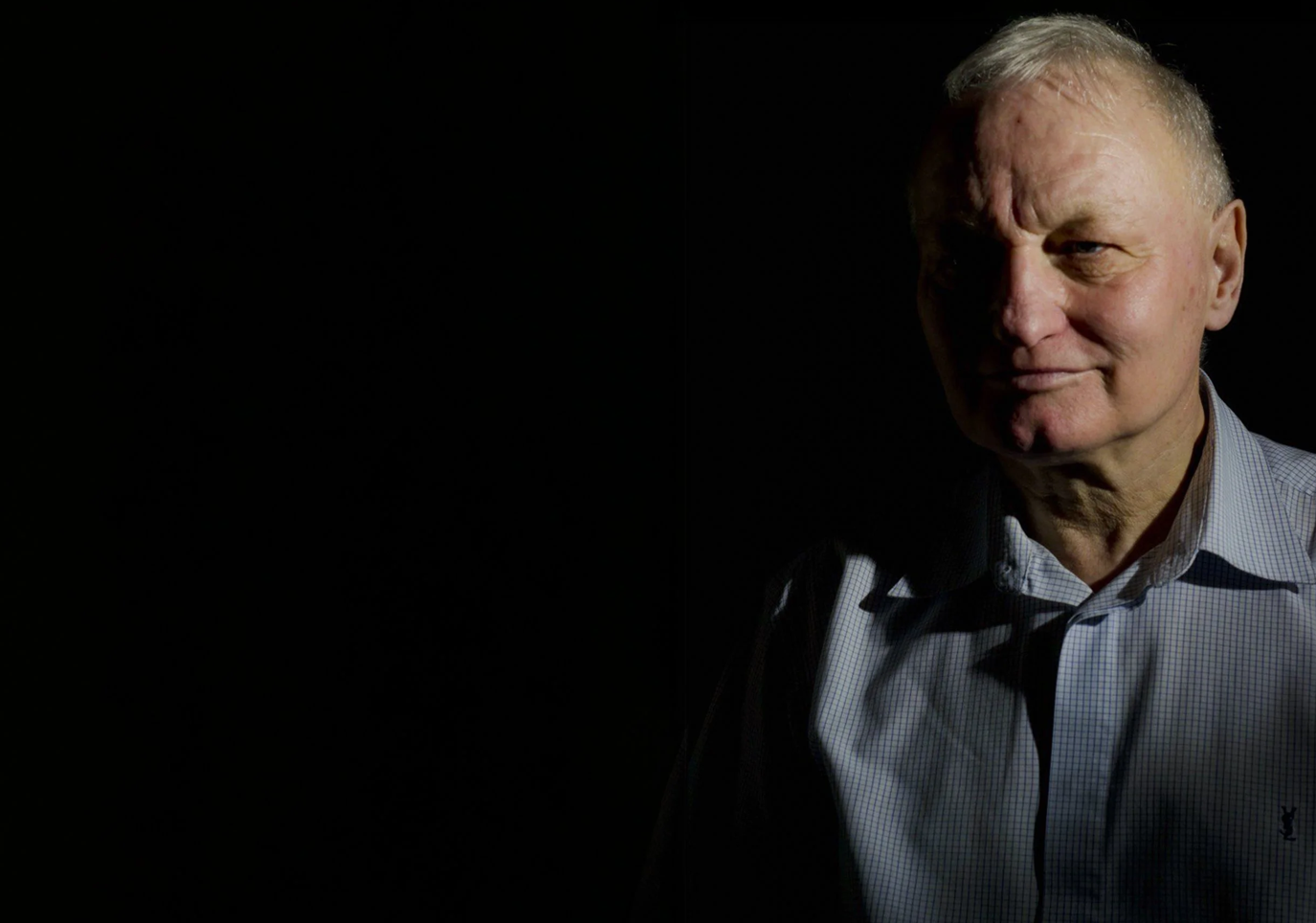
I had heard about Thistle’s Lifestyle Management Course for veterans.
I never imagined I would need support there myself. But I knew that if I didn’t try something, I would stay stuck where I was: isolated, frightened of the world around me, and unable to see a future for myself.
The first session was difficult. I was nervous. I didn’t quite feel comfortable yet.
But the people there were welcoming and down to earth. It helped being in a room with other veterans, people who understood some of what I was carrying.
So I talked myself into going back.
Somewhere during those ten weeks, I began to look forward to going along. I learned how to slow down, breathe, and sit with my feelings. Learned how to structure my days, pace myself in the gym, and start feeling in control of my life.
Then, I realised my focus had changed.
For the longest time, I talked about my PTSD, my divorce, and everything I’d lost.
But I wasn’t talking about what I’d lost anymore. I was talking about what mattered to me.
For the first time in years, I dusted off my camera and started taking photographs again.
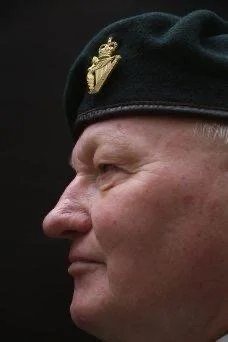
As my confidence grew, I found myself chatting to people while I was out taking photos, whether that was on coastal walks or just out and about.
After spending so long looking backwards, I was looking ahead and excited to.
What happened after the course surprised me even more. Each month, us veterans come back together. We meet at Thistle, we catch up, support one another and have a laugh.
I’ve discovered other opportunities through these meetups, leading me to try archaeology projects, scriptwriting classes, and attending events I never would have gone to had I not found this space.
My life has become so much bigger.
My sons, who have seen the ups and downs of my mental health over the years, said they’ve noticed such a difference in me.
They told me I seem steadier now. They also said they’ve noticed I’m taking more of an interest in my own life now. That I seem to have more of a structure and routine.
I felt it, too.
Today, I still live with PTSD. I still have difficult days. But I’m taking photographs again. I’m learning new skills. I’m making plans and new friendships.
A few years ago, I couldn’t see a future. I wanted my life to be over.
Instead, the support I’ve had has opened life back up again.